Dialectics and science communication
Gaurav Kandlikar
slides: https://talks.gklab.org/esa-2026/
contact: gkandlikar@lsu.edu
Communication is more important than ever
Communication is more important than ever
Community is more important than ever
Thanks to my community for helping me shape the thoughts in this presentation:

Marcel Vaz, Xinyi Yan, Anita Simha, Aubrie James, Lauren Carley, Maryrose Weatherton, Meghna Krishnadas, Luis Santiago Rosario, my students.
Ecology of and from the “in-betweens”
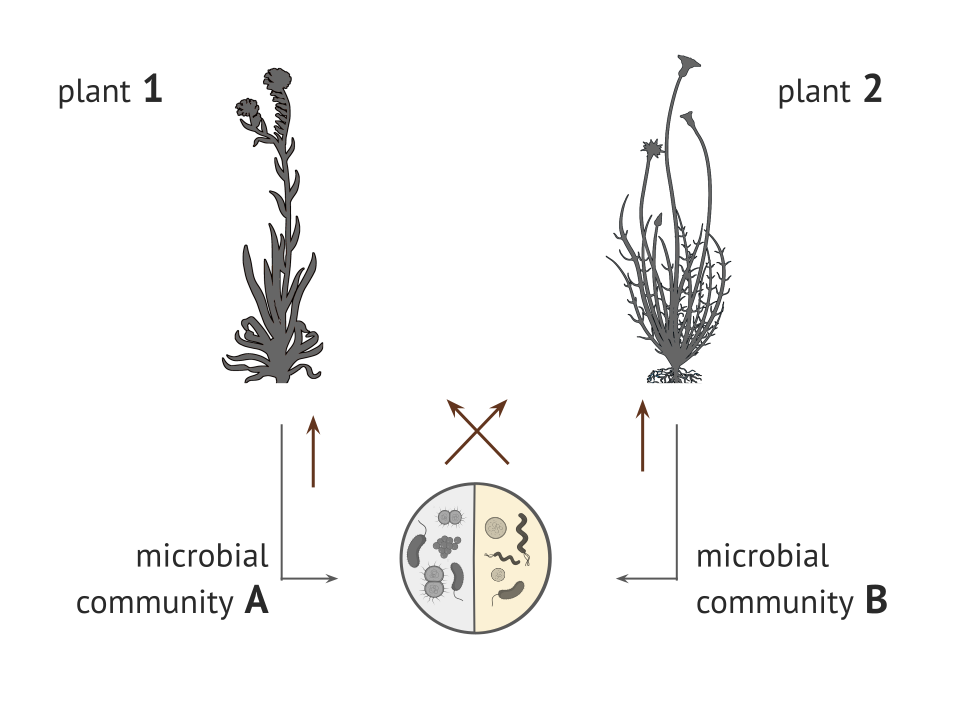
Ecology of and from the “in-betweens”
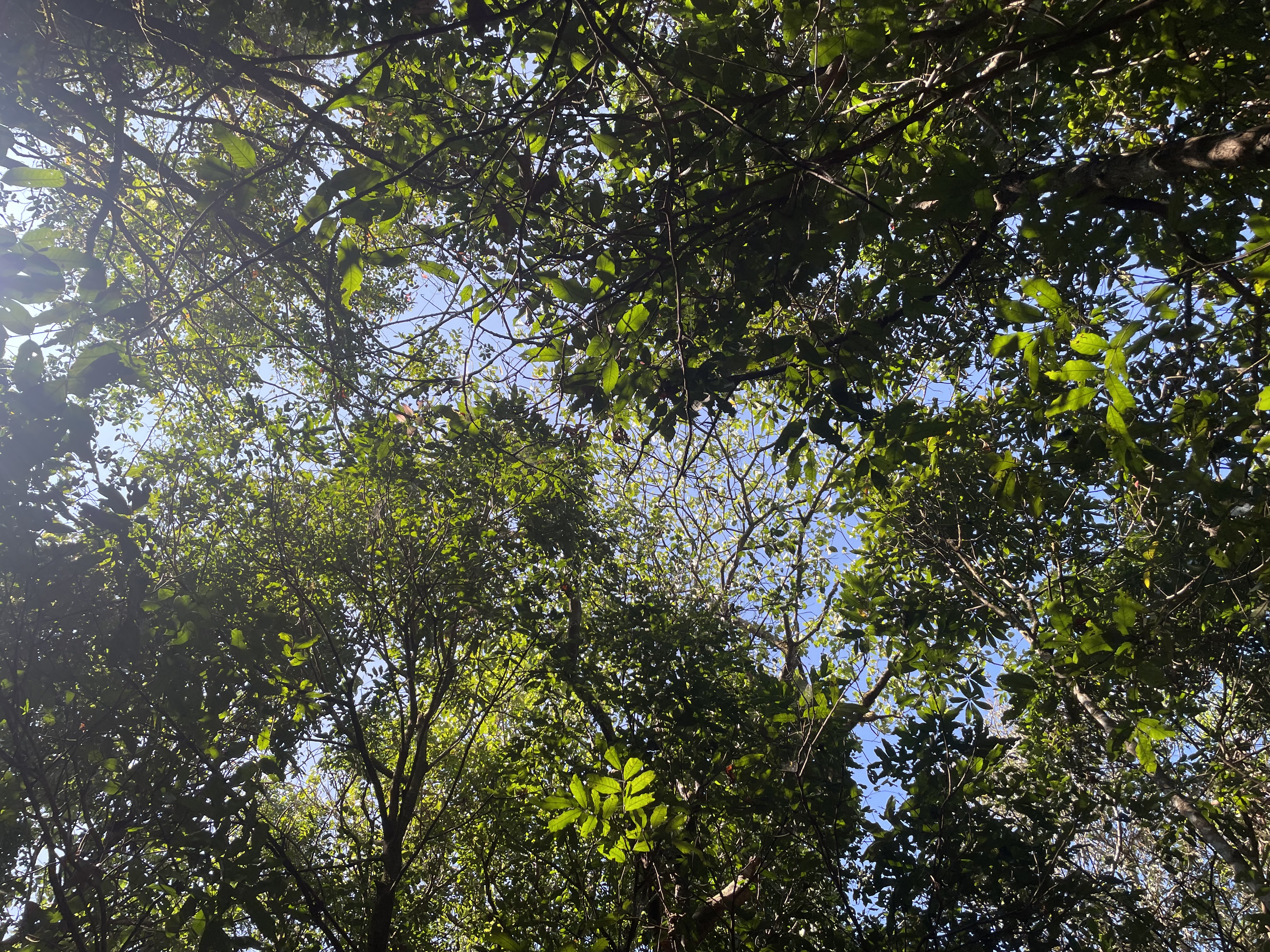
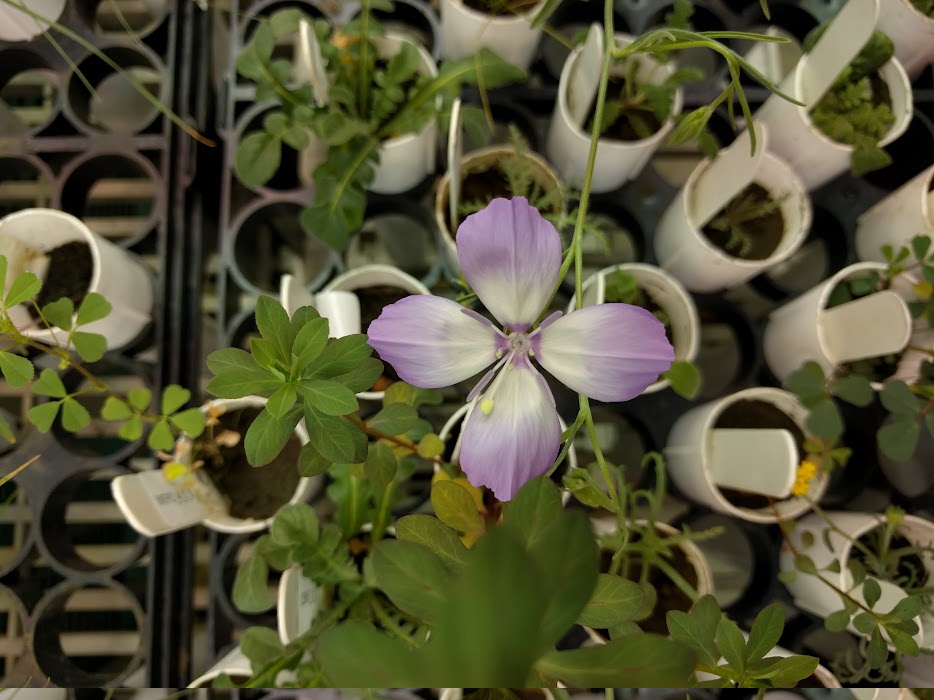
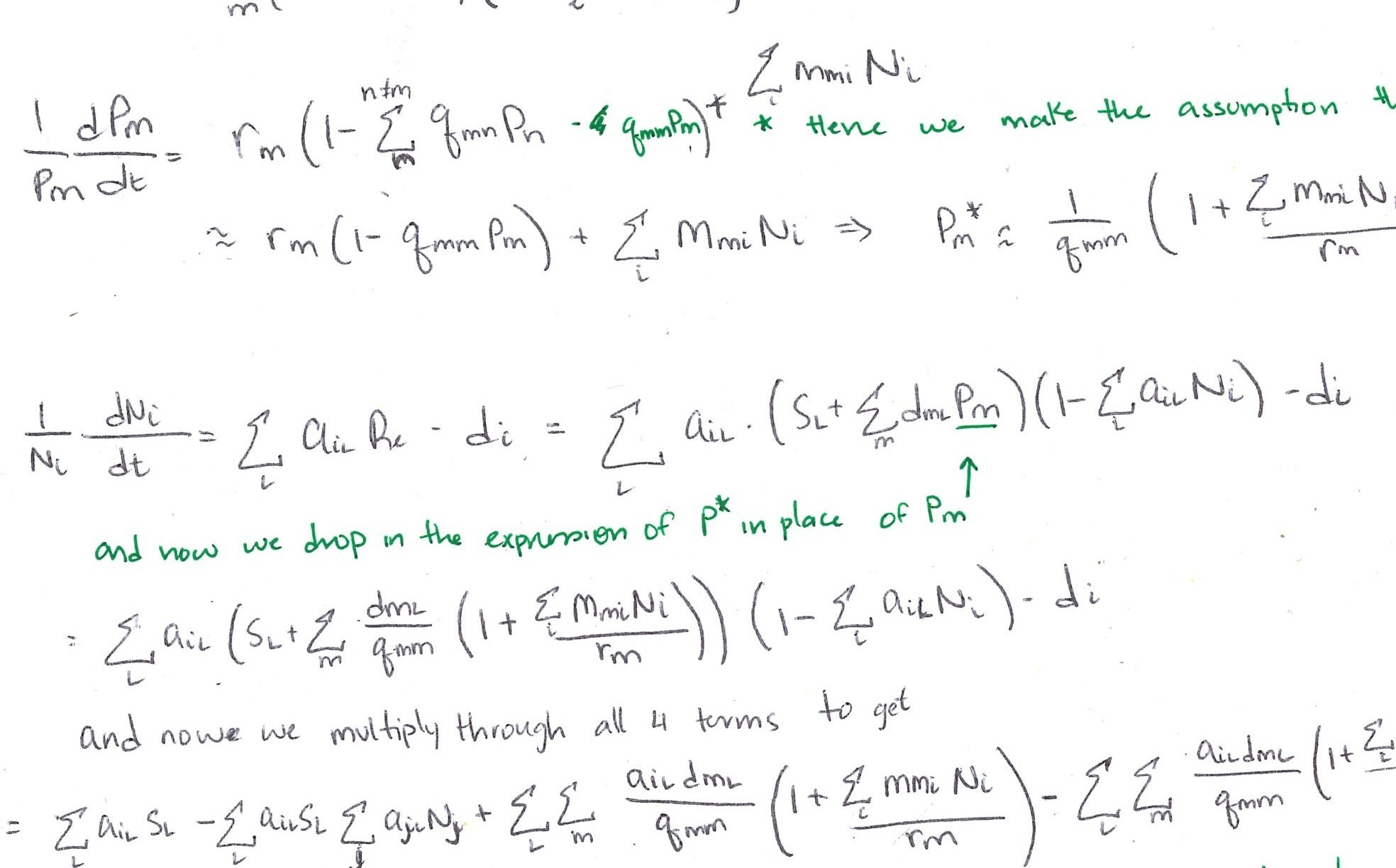
Ecology of and from the “in-betweens”
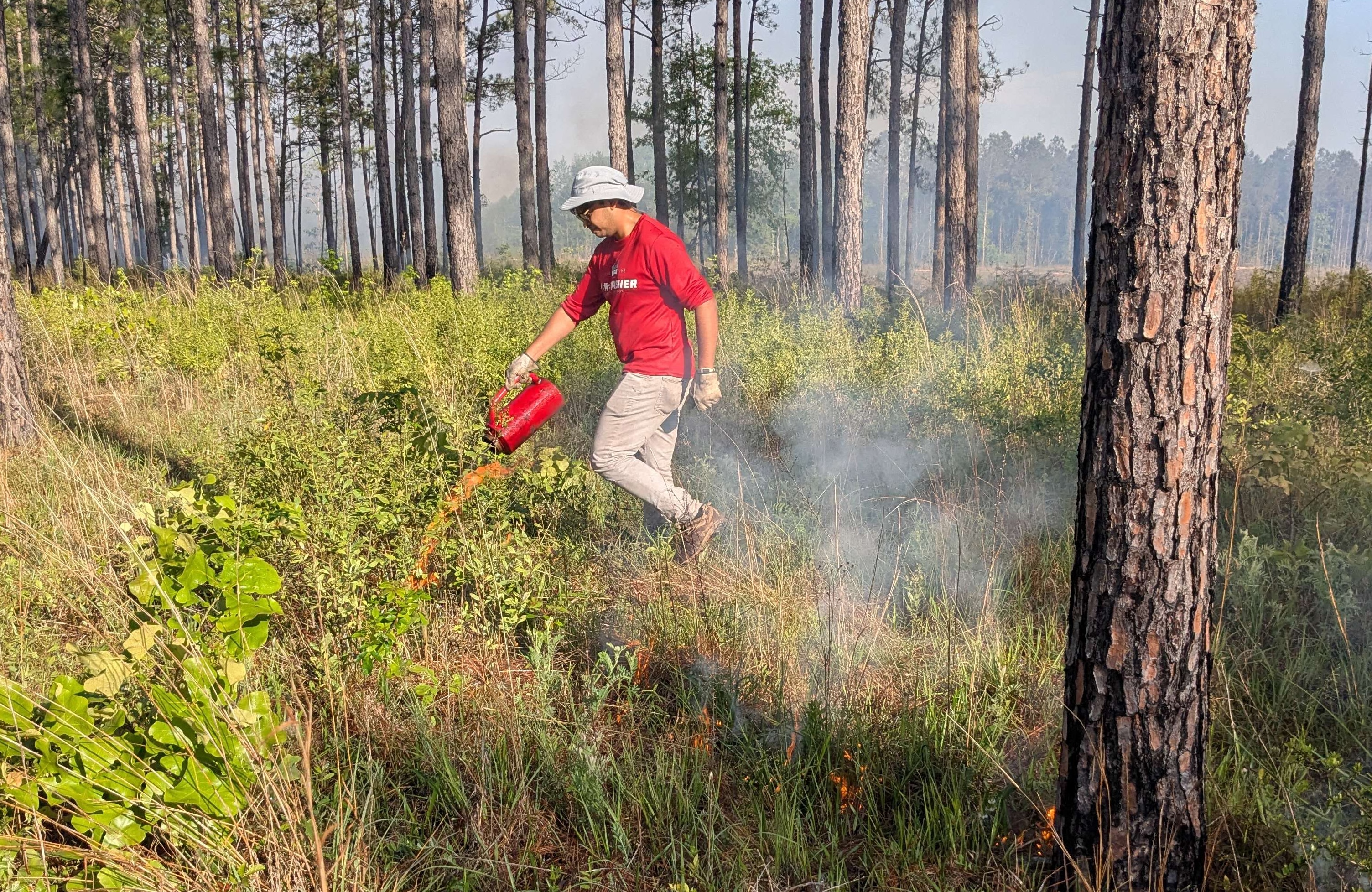
Ecology of and from the “in-betweens”

Principles shaping my science communication
Science is constructed in dialogue with society
The tubercle bacillus became the cause of tuberculosis, as opposed to, say, unregulated industrial capitalism. Having identified the bacillus as the cause, a chemical therapy had to be developed to treat it, rather than, say, a social revolution.
“The universe is not only stranger than we imagine, it is stranger than we can imagine.”
Some surprises are of merely intellectual interest. But others have profound human impacts when programs or policies are based on rational expectations that turn out to be wrong. For example, flood control often increases flood damages and antibiotics can increase infections.
Dialectics as a framework for understanding and communicating science

Dialectics as a framework for understanding and communicating science
“Formalizations of the dialectic have a way of seeming rigid and dogmatic in a way that contradicts its fluidity and historicity
Dialectics as a framework for understanding and communicating science
“Formalizations of the dialectic have a way of seeming rigid and dogmatic in a way that contradicts its fluidity and historicity
“What characterizes the dialectical world, in all its aspects, is that it is constantly in motion. Constants become variables, causes become effects, and systems develop, destroying the conditions that gave rise to them”
Dialectics as a framework for understanding and communicating science
“Formalizations of the dialectic have a way of seeming rigid and dogmatic in a way that contradicts its fluidity and historicity
“What characterizes the dialectical world, in all its aspects, is that it is constantly in motion. Constants become variables, causes become effects, and systems develop, destroying the conditions that gave rise to them”
The environment is not a structure imposed on living beings from the outside but is in fact a creation of those beings. Just as there is no organism without an environment, so there is no environment without an organism.
Where and how do I practice dialectical science communication?
My primary locus of science communication is with students and with other scientists
My primary approach to science communication combines listening to people and responding to their (your) thoughts
Where and how do I practice dialectical science communication?
Context 1: Teaching
Helping build intuition of the non-intuitive, or at least, help illuminate the non-intuitive.
Why might pesticide use cause pesticide outbreaks?
Audience participation
How many days do 1 million seconds comprise?
How about 1 billion seconds?
Science communication tools for illuminating the nonintuitive
Part 2: Fostering dialectical thinking among scientists
Survey of scientist sentiments
How is the scientific community experiencing and responding to the second Trump administration?
We conducted a survey of life science researchers to understand:
- Impacts of federal immigration policy;
- Impacts of federal funding policies;
- Impacts on science as a whole
Some methodological notes
Our survey ran from May–September 2025 and we received 160 responses
Most respondents were faculty members and US citizens
We conducted inductive qualitative coding of open-ended responses, but sharing quotes today
Stark effects on all fronts
I am not taking on international students at this time. It’s not safe for them in the US, and I cannot guarantee their safety […] I would be a horrible human if I accepted an international student right now.
[Funding declines and censorship] will make it very difficult for new faculty (like me) to get their research programs up & running, which is likely to severely destabilize this cohorts’ entire faculty careers.
As for future plans, none of us have any ability to really plan any longer.
Pessimism and disappointment
“My university has taken the stance of ‘don’t do anything to draw attention,’ which I feel is both self-defeating and cowardly”
“I’m participating in some letter writing and phone call campaigns to Congress, but I’m not sure if this is effective”
Overall, a pervasive sense of helplessness
How can a dialectical perspective help?
The environment is not a structure imposed on living beings from the outside but is in fact a creation of those beings. Just as there is no organism without an environment, so there is no environment without an organism.
How to transform individual helplessness into strategic and collective action?
Contextualize (historicize) this moment: What forces brought us to this moment? How do they operate, and what enables them to succeed?
Recognize our sources of power: How does the system shape us, and how do we shape the system? What change can we affect, and what do we need to achieve these changes?
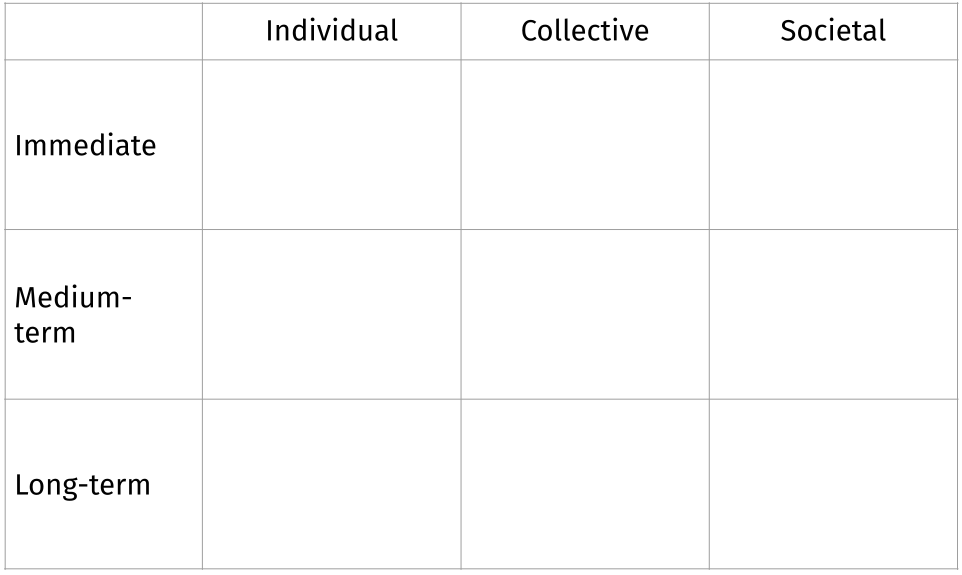
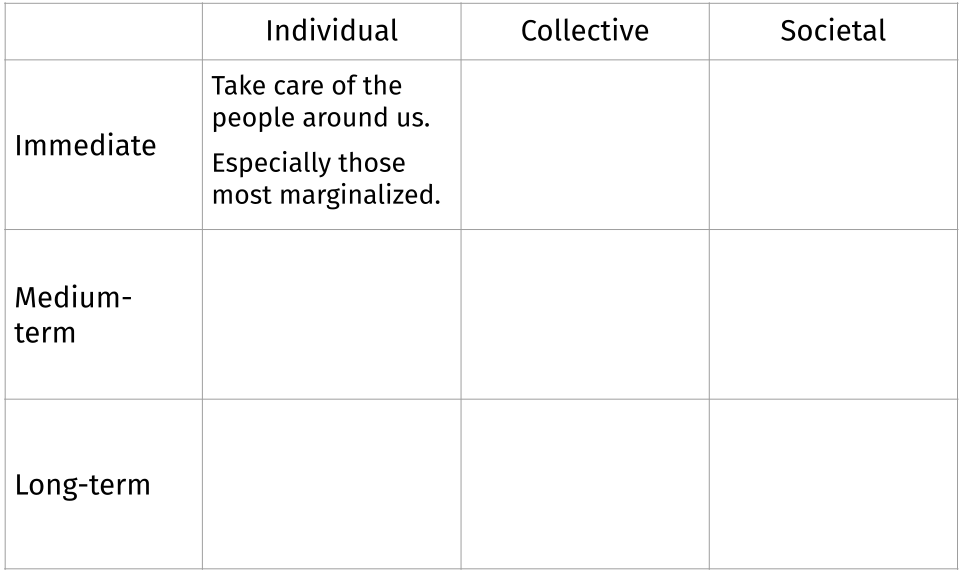
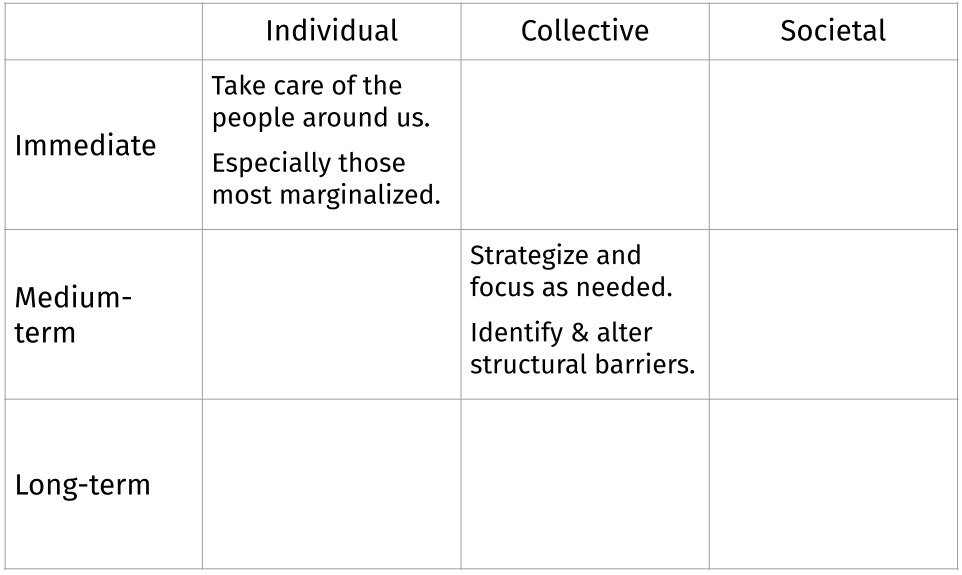
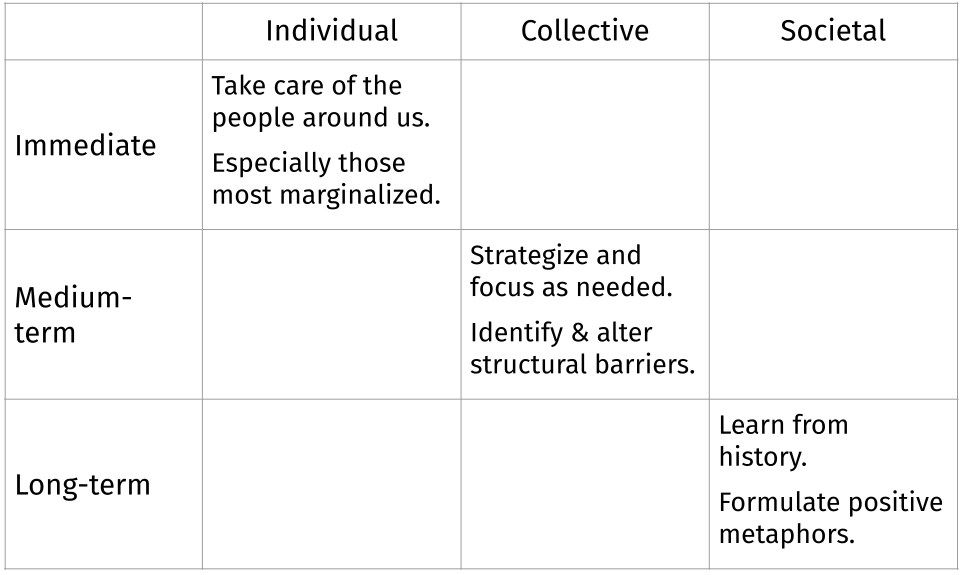
Formulate positive metaphors
What are possible alternatives for the future of science and society?
How can we build coalitions beyond disciplines, beyond the academy, and beyond national borders?
How can we use the community we have here to advance these goals?